Ireland, 2006
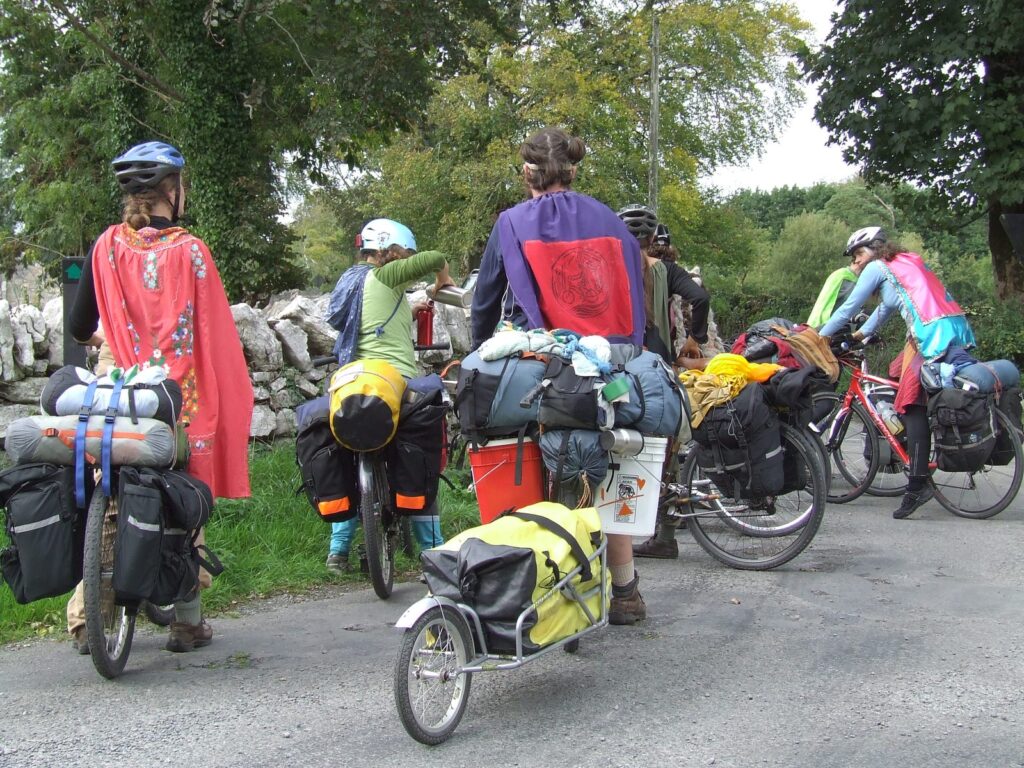
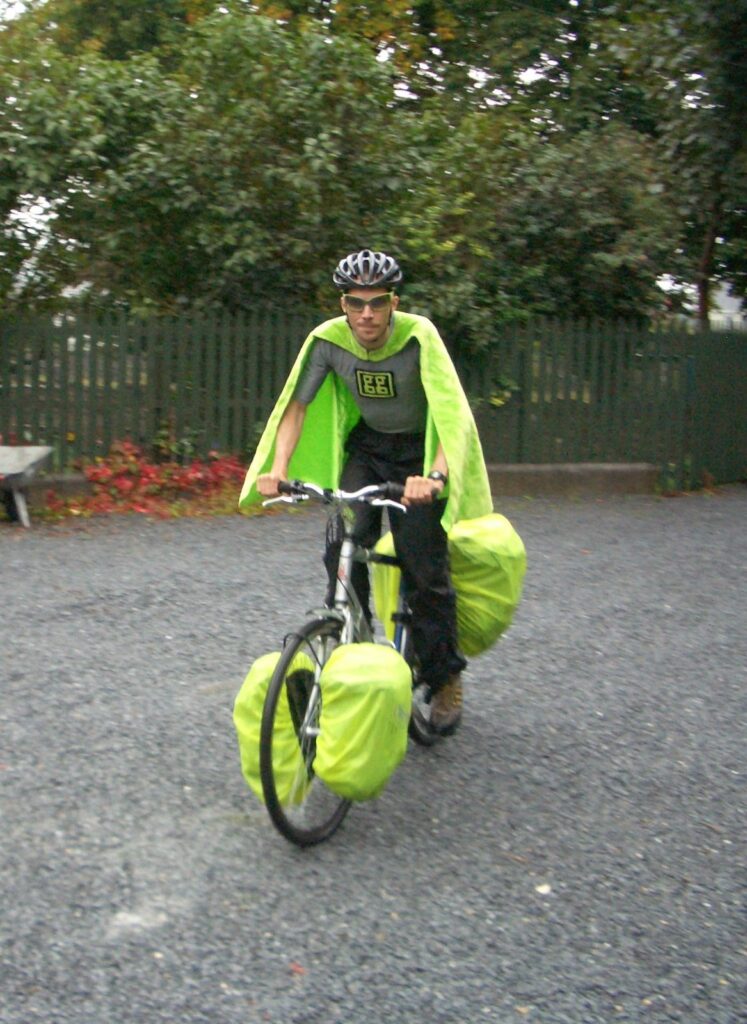
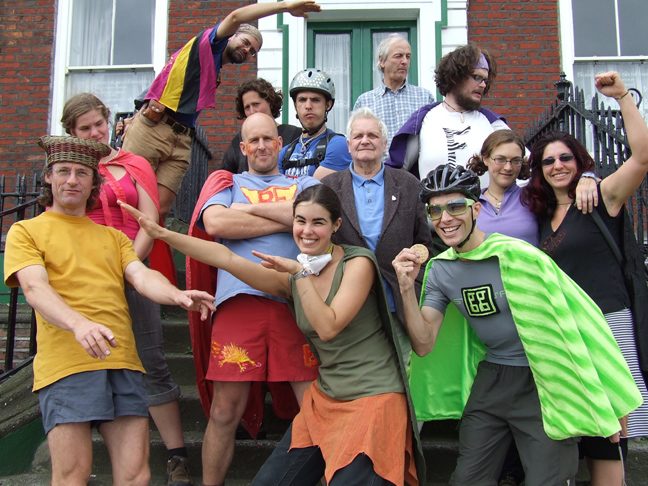
In the late summer of 2006, I put on a cape I had sewn myself — fluorescent green, with a circuit-block emblem across the chest — and rode a bicycle across Ireland with a rotating band of fifteen or so others dressed the same way. We had no route and no schedule. We would roll into a town, fan out on foot, and ask whoever we met the same question: does anyone here need help? We called ourselves the Superheroes, and we meant it about as seriously as you can mean anything while standing in a grocery store in tights.
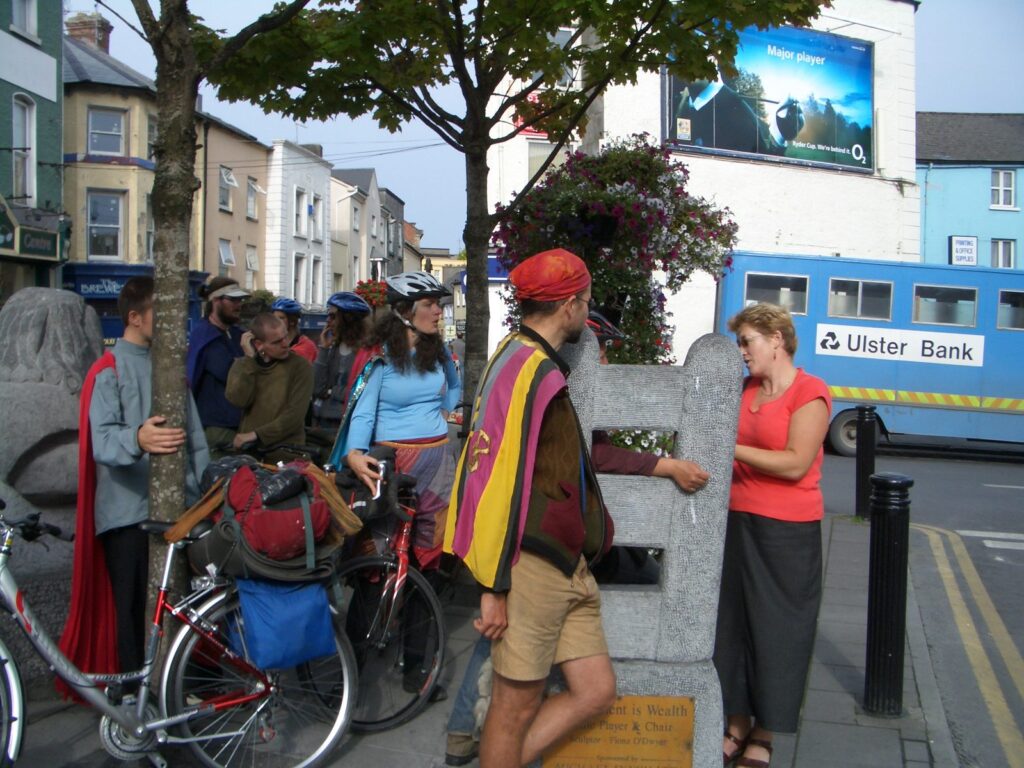
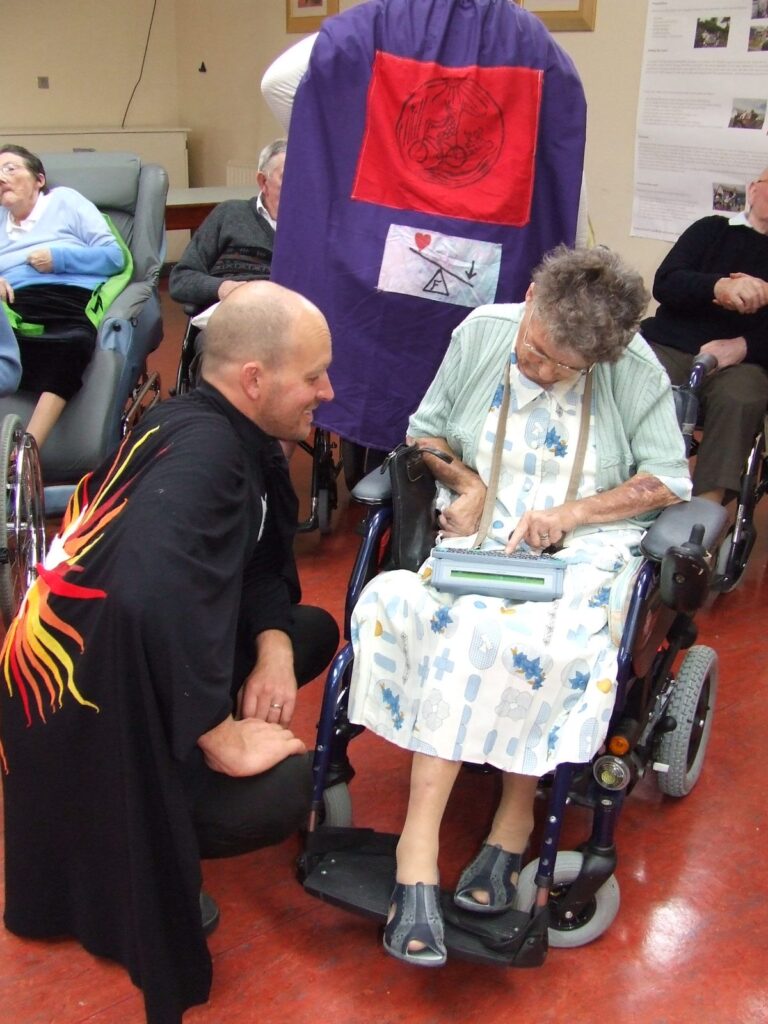
What we did was small and endless. We moved a woman’s piano. We sang to people in an old folks’ home. We painted the fence at a holy well and gleaned apples in a monastery orchard alongside an order of nuns. We dug potatoes, weeded greenhouses, and told superhero stories to schoolrooms full of children who then lined up for our autographs. Every night we camped wherever we were invited to stay — a churchyard, a field, a stranger’s back garden — bought our food together, carried our own compost until a town could take it, and rode on in the morning. An Irish priest watched us a while and said what we were doing was like medieval knights. A schoolteacher told us she had always believed there were people like us somewhere in the world; she just never expected to meet one in Ireland.
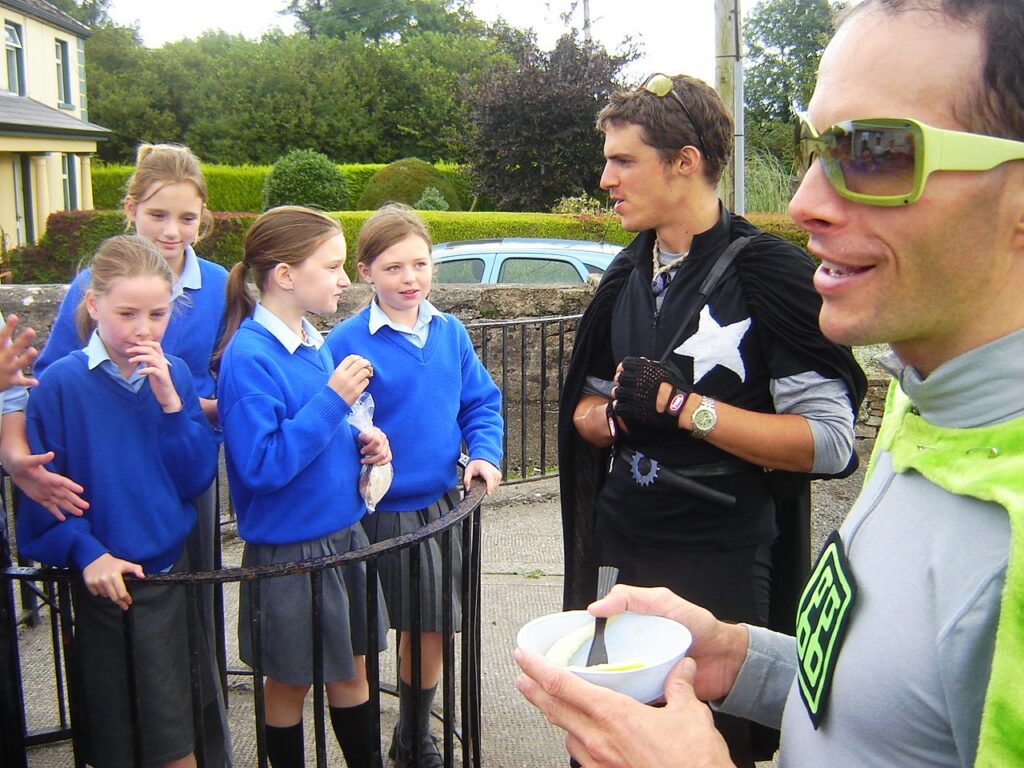
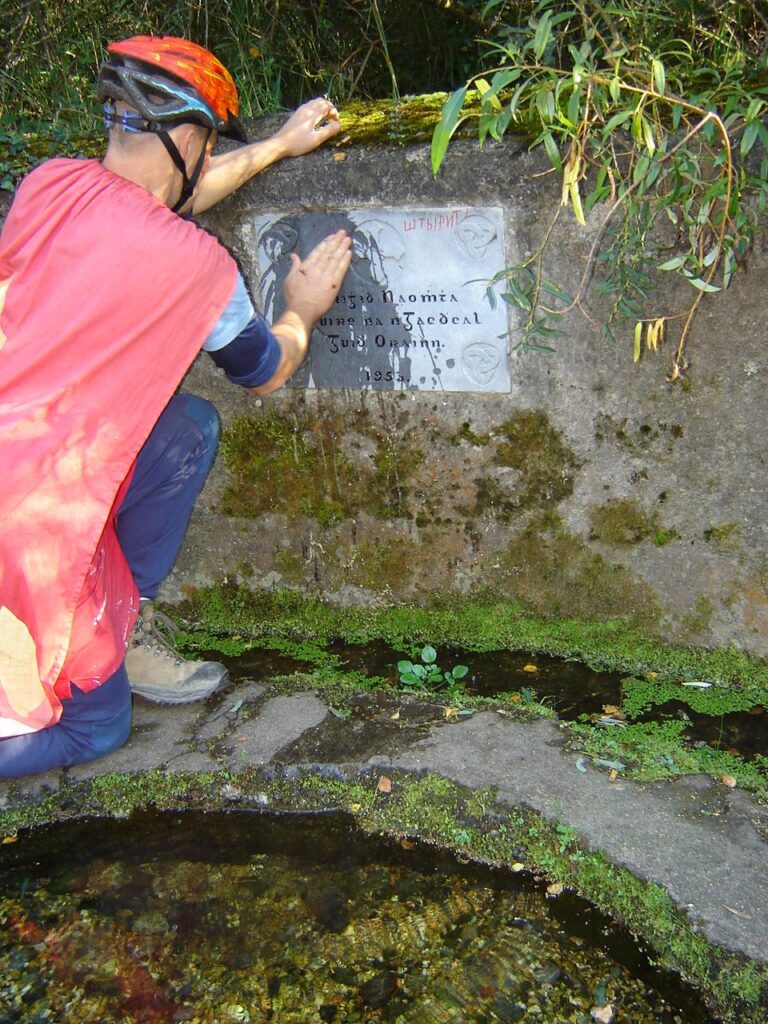
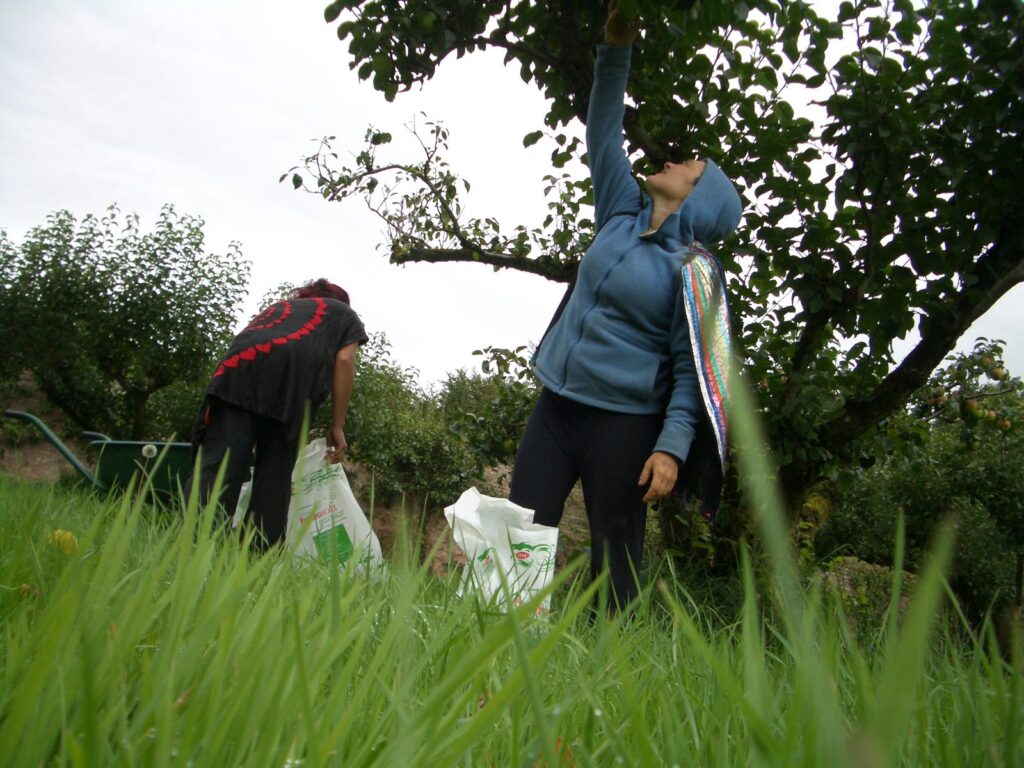
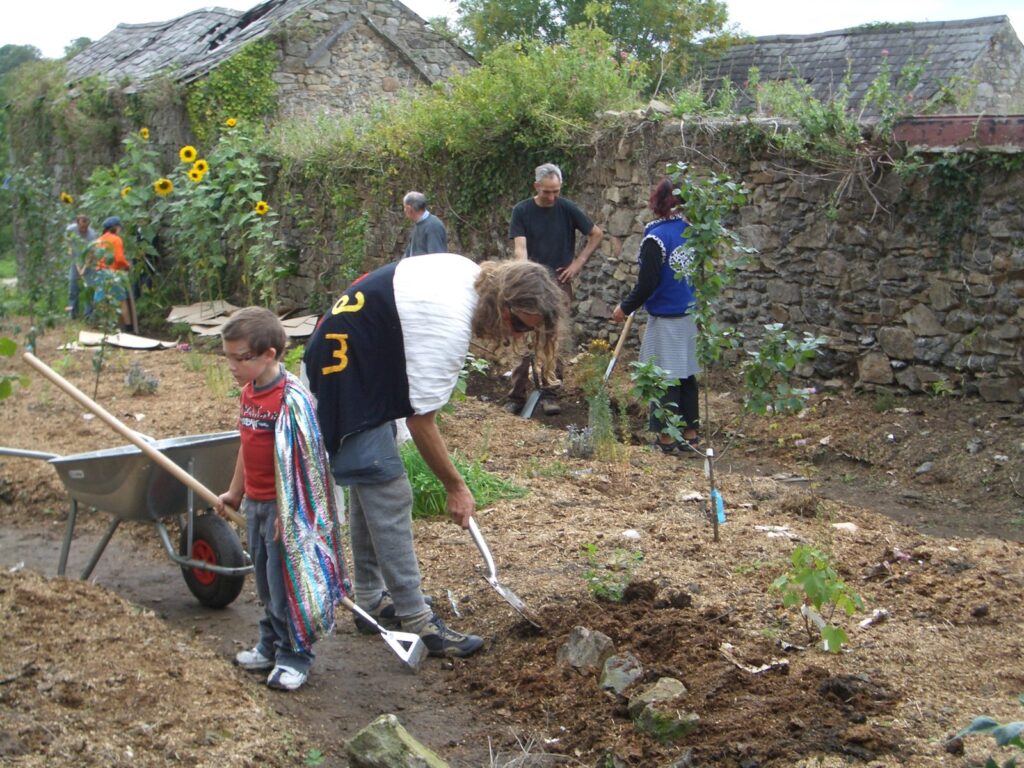
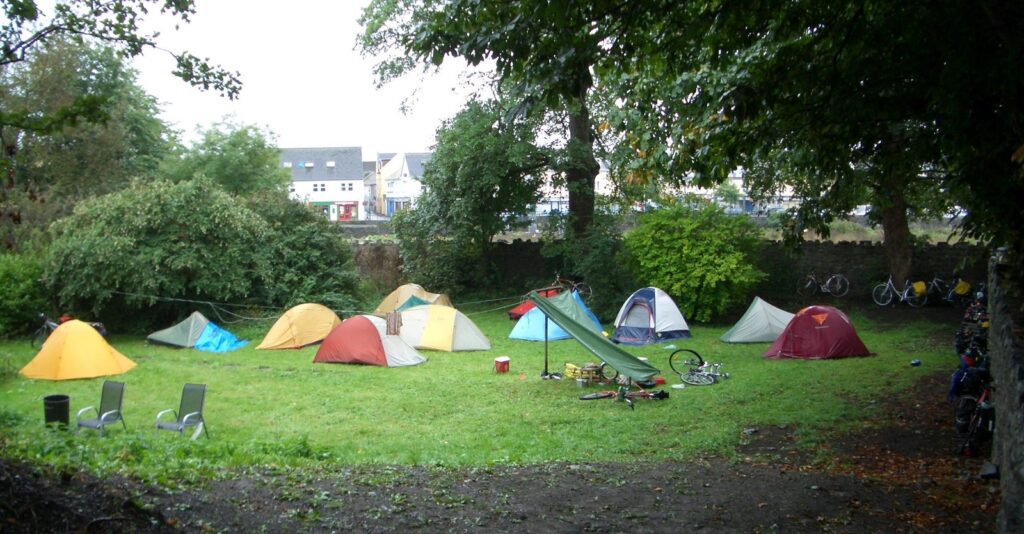
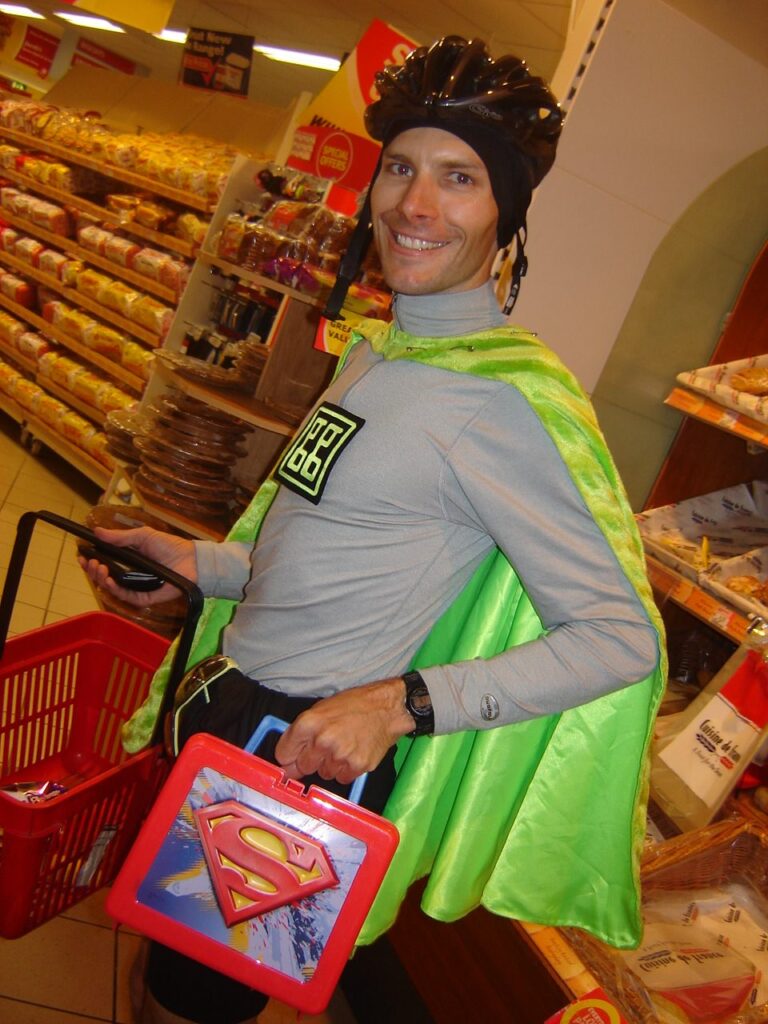
I didn’t have words then for why it moved me so much. I have them now. Nearly everything I would later find at Burning Man was already here, five years early, in a different accent. Gifting: help offered with no expectation of return, to whoever happened to be in front of us. Radical self-reliance: a field of tents, our whole lives strapped to our bikes. Communal effort: a cook crew, a circle of hands squeezed before every meal, decisions reached by consensus until we found the third way none of us had walked in with. And immediacy — moving without a plan, so that whatever giving found us, found us completely. The bicycle was the quiet genius of it all: the cleanest, most elegant machine I know, multiplying human effort as beautifully as anything ever invented, and carrying us slowly enough to actually arrive somewhere.
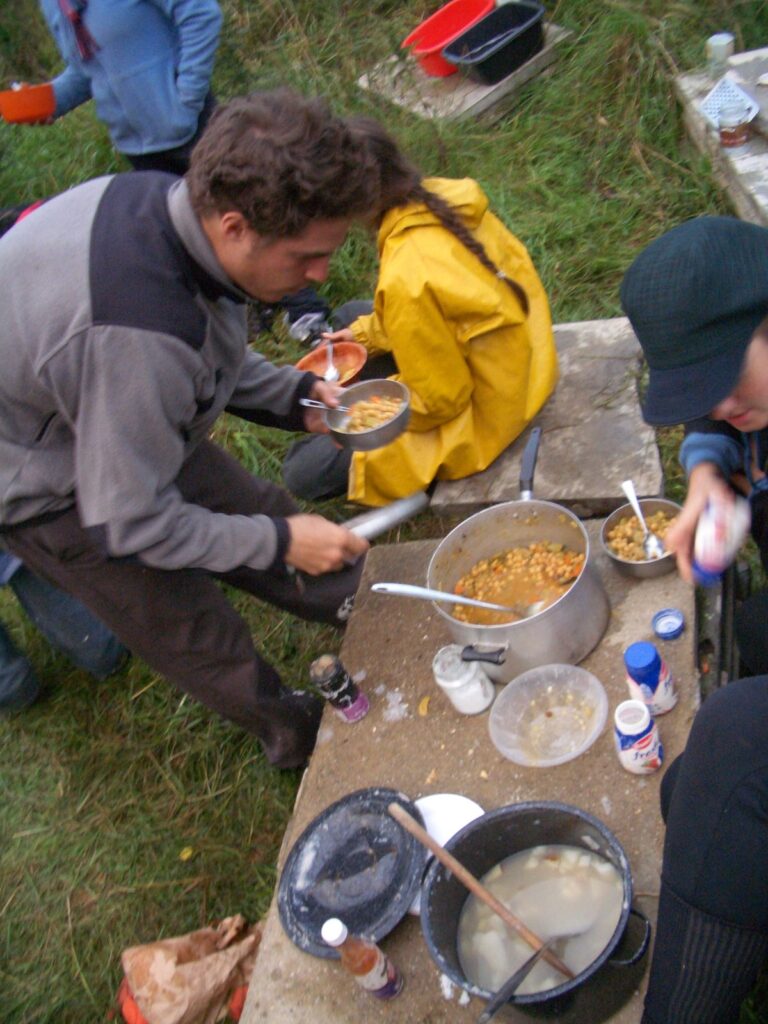
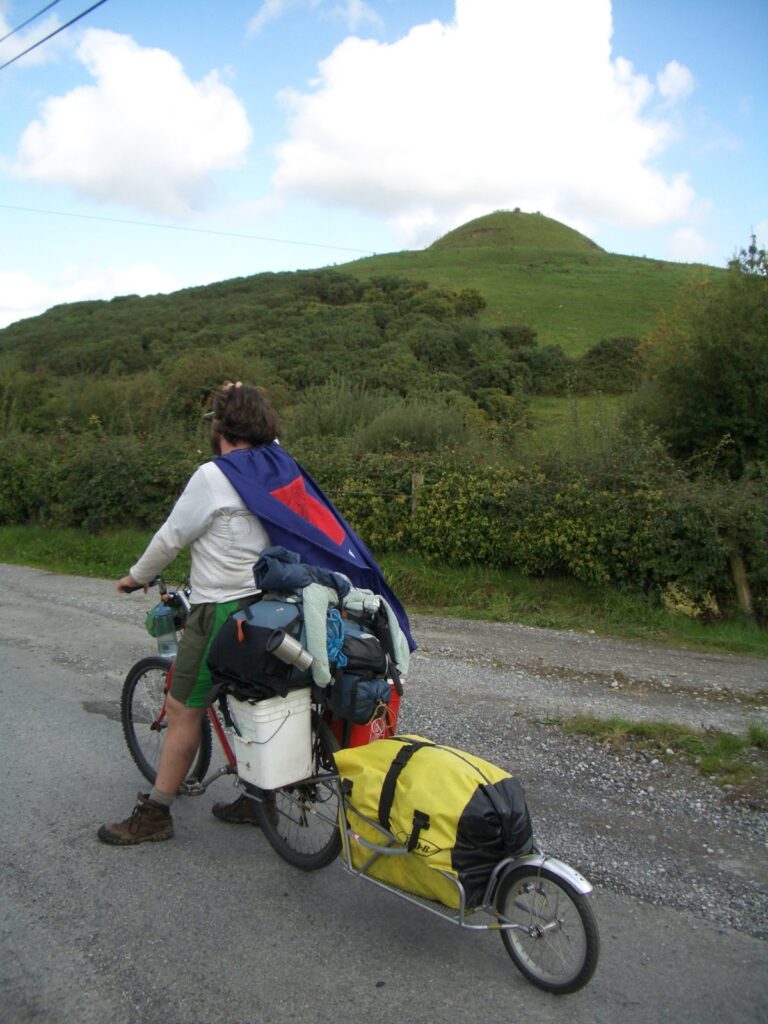
It was not an easy three weeks, and I don’t want to remember it as though it were. Early on we nearly came apart over something as ordinary as which way to go, and we spent a long, wet, five-hour meeting on a mountain ridge learning how to disagree without losing one another. I was, in certain ways, the odd one out. The core riders wore wool and natural fibers; I had shown up in synthetic everything, plastic head to toe, and I was the one who talked about how a computer’s interface acts on your body while everyone else talked about water and spirit. I was the techie among mystics, and I felt it. I was also never once turned away for it. That was the whole point of them.
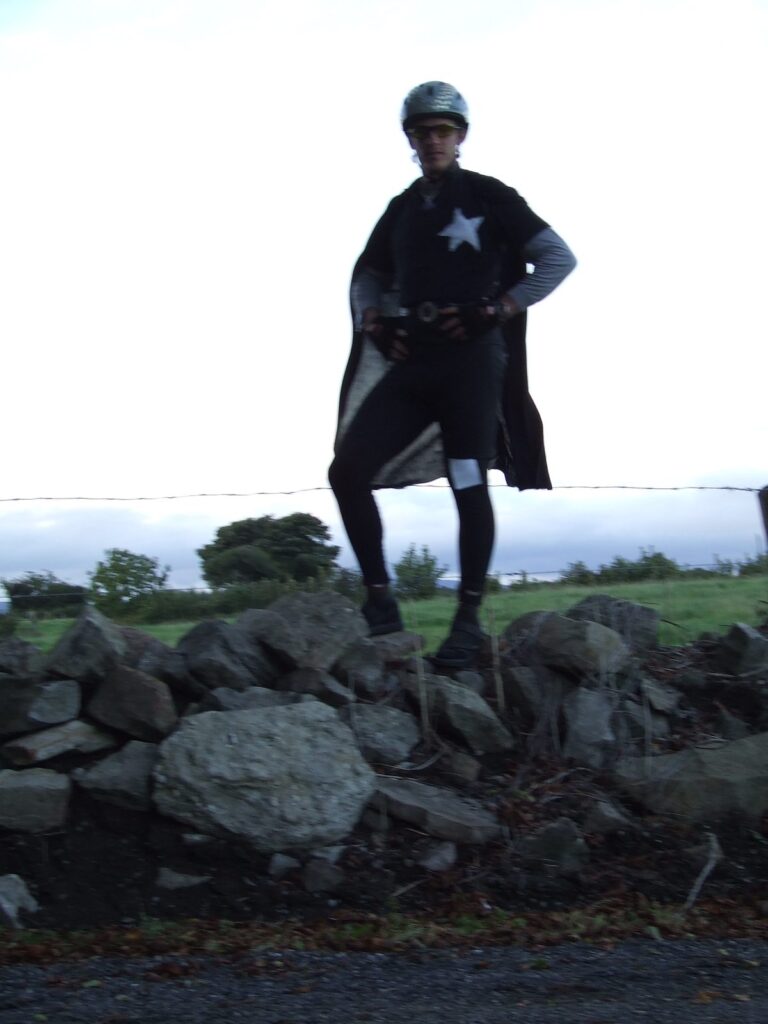
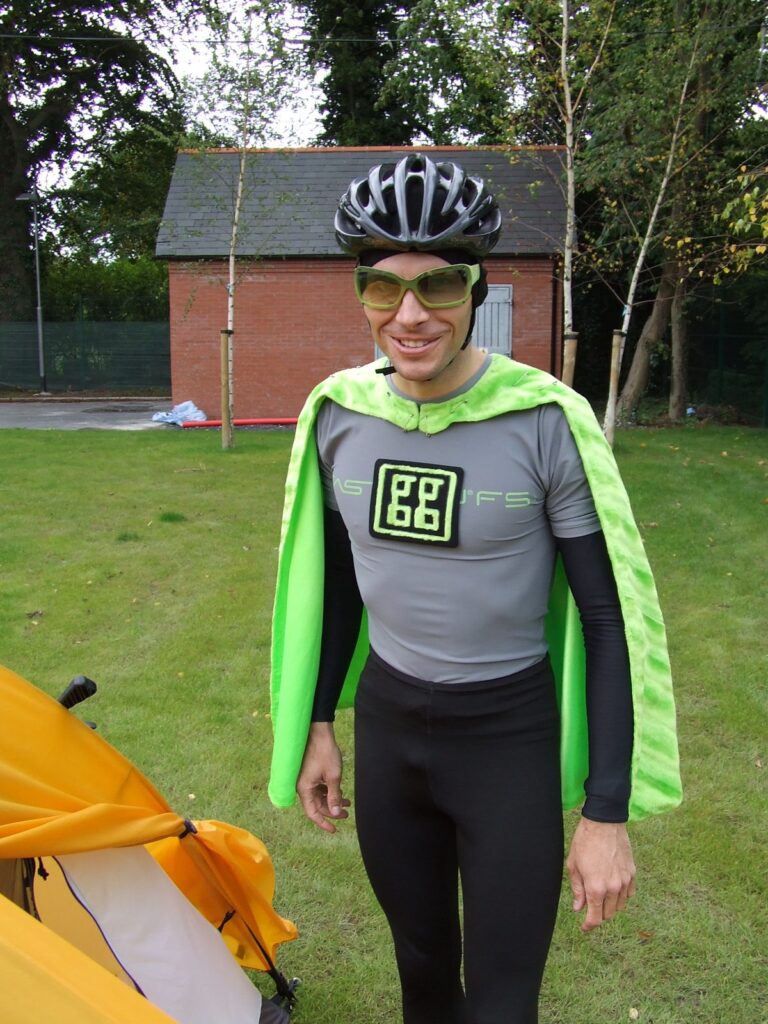
Because here is what I understand only now. On that ride, the two halves of me that usually take turns got to be a single person at the same time — the part that takes a system apart to see how it works, and the part that only wants to love people well. In Ireland they were not at odds. They were the same motion. Someone on that trip, describing me afterward, reached for the words splendor and humility, and I have carried that quietly for twenty years, because I am not sure I have ever been more fully myself than I was in a green cape, asking a stranger whether they needed a hand.
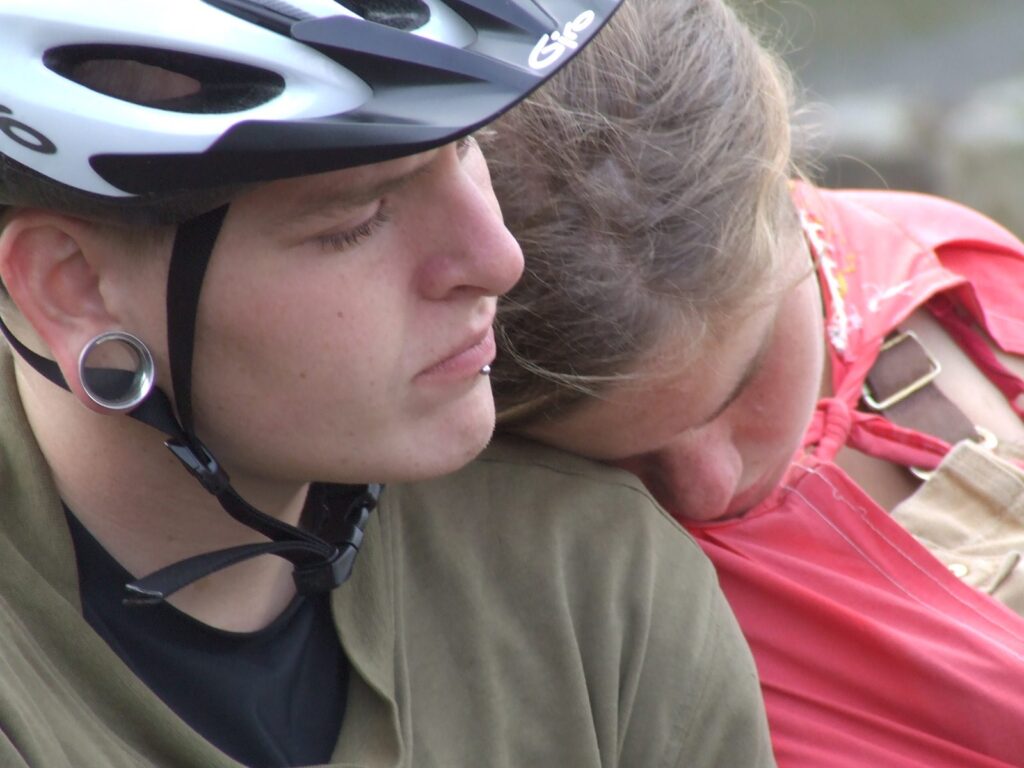
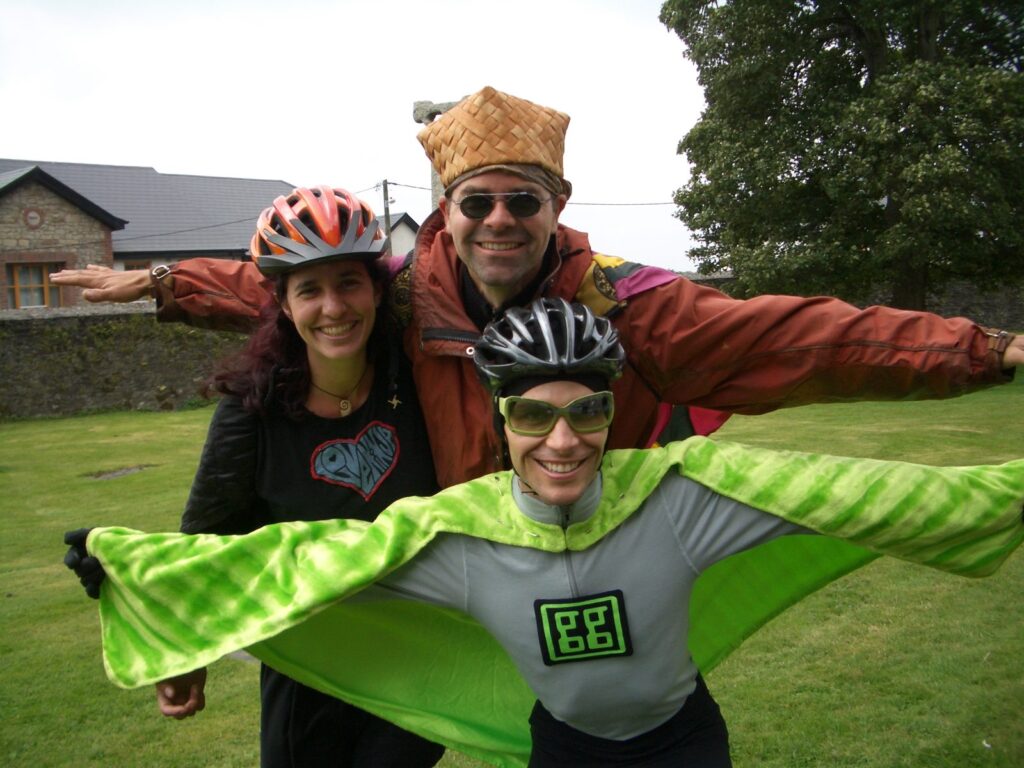
I left the ride a little early, in a town called Ennis, and carried on into the rest of my life. A great deal has happened in the years since — more than belongs on this page — and there were long stretches when I forgot this version of me existed. That is the real reason this page is here. Not as a souvenir. As evidence. When I need to remember who I am, or who I set out to be, I can come back and see that he was real, that he was witnessed, that he rode out under his own power and gave what he had. The cape still fits. I still believe the same things.
It’s still me.